01
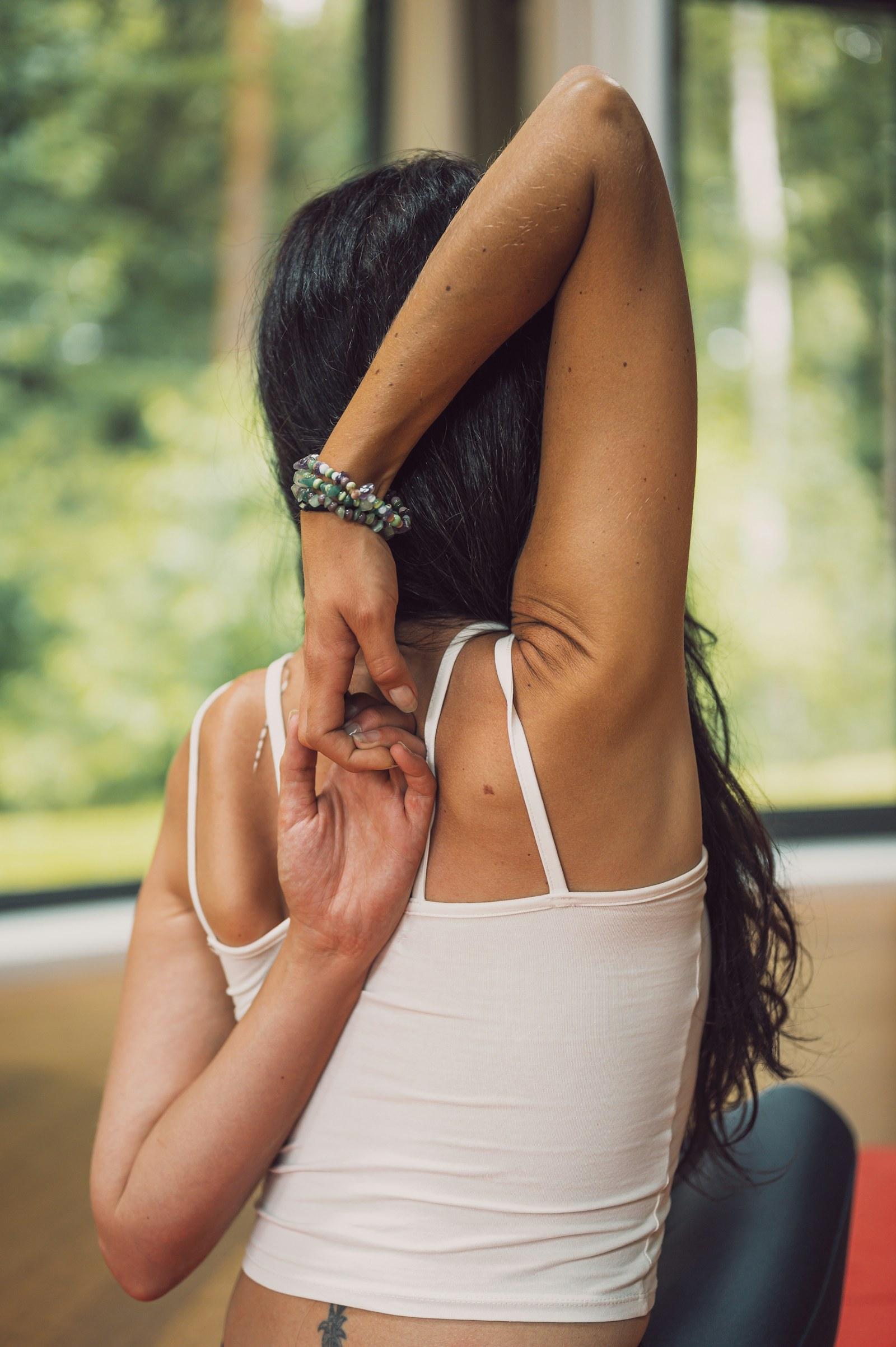
Breath
The breath is the metronome.
Every movement begins on the exhale. We teach the lateral, ribcage breath first, before any spring is touched, because without it the rest of the method is choreography.
The method
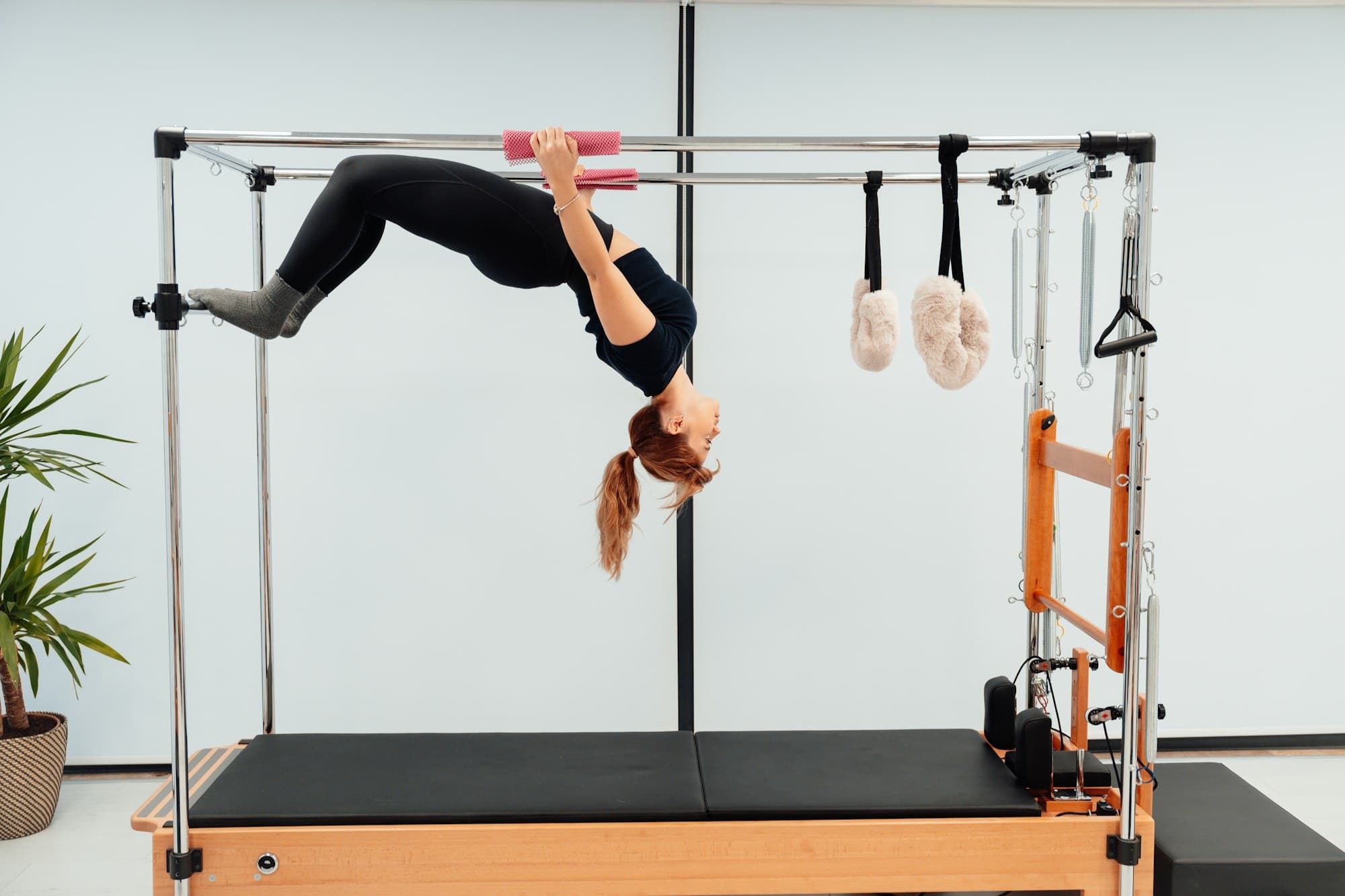
Six principles, the original apparatus, lighter springs than you expect, and rooms of six. This is the whole of it.
Joseph Pilates wrote his method down in the 1920s and called it Contrology: the complete coordination of body, mind and spirit. The exercises he left are a sequence, not a menu. We teach them in that sequence, on apparatus built to his proportions, and we do not add to them.
The first thing a new member learns is not an exercise but a breath. The second is the footwork series. By the fifth private session most members can feel the difference between moving from the limbs and moving from the centre, and from then on the work is simply practice. It takes about a year to feel the sixth principle. Then it is yours.
The breath is the metronome.
Every movement begins on the exhale. We teach the lateral, ribcage breath first, before any spring is touched, because without it the rest of the method is choreography.
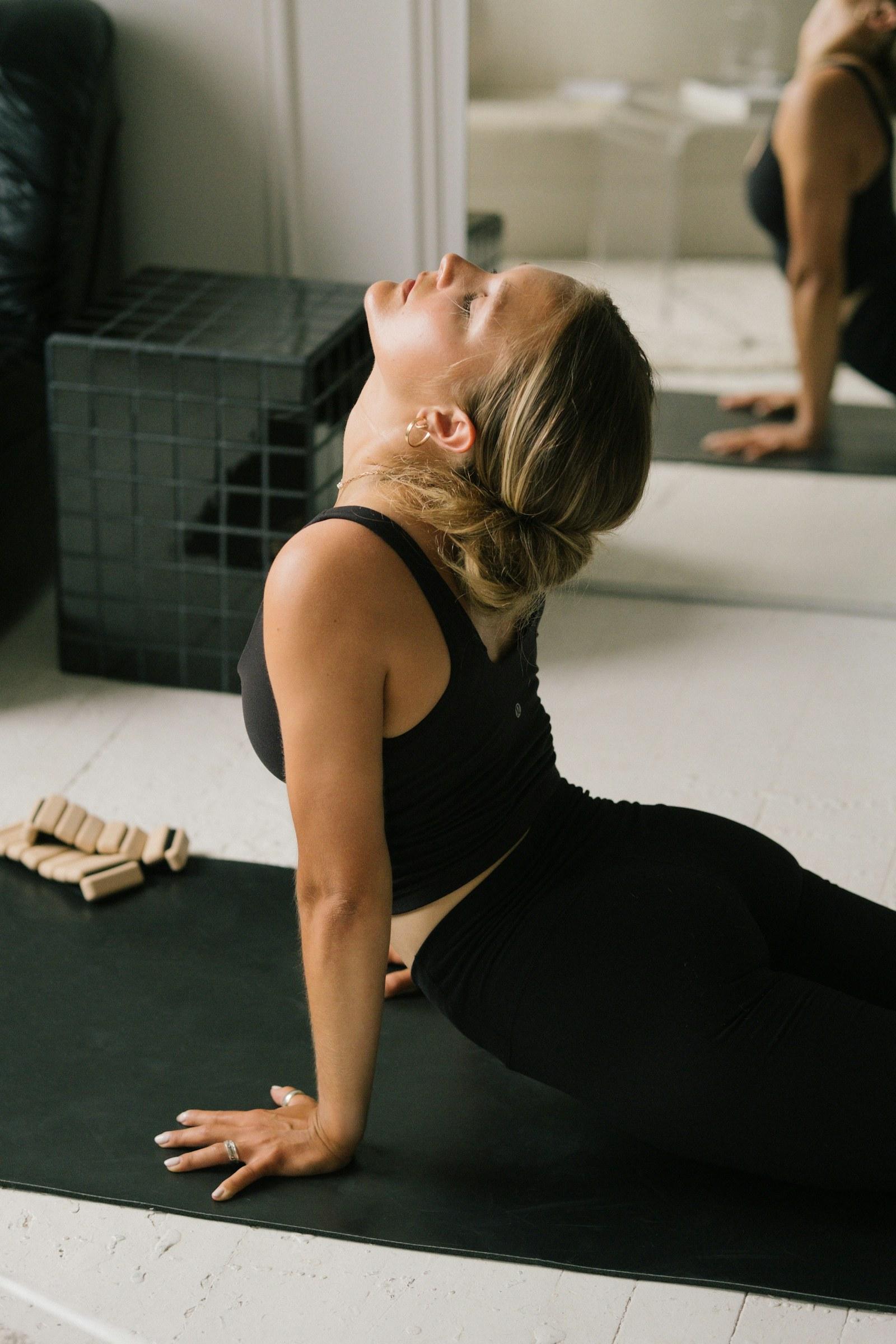
One thing, fully.
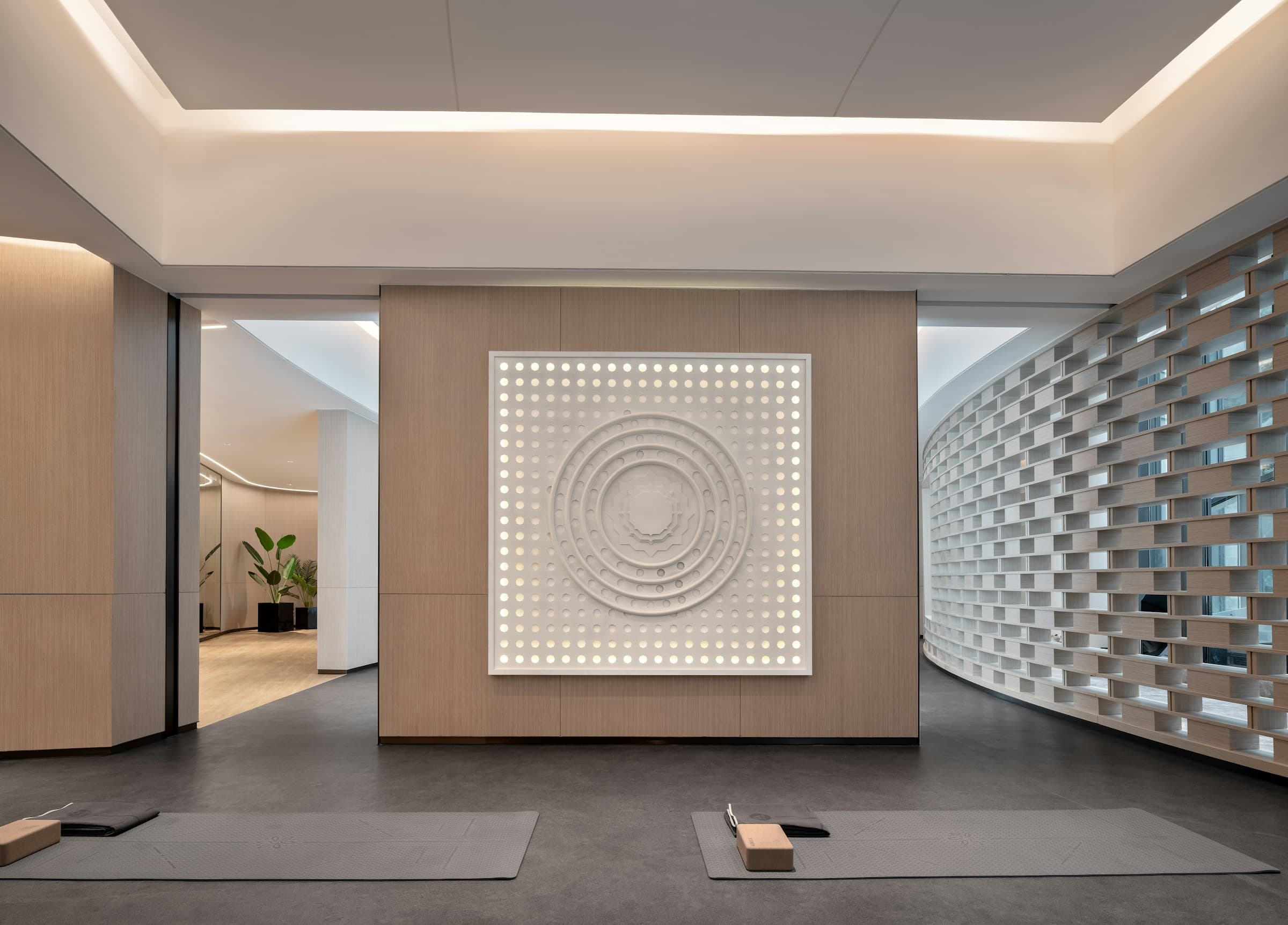
There is no music in the rooms and no mirror you can see yourself in from the reformer. The attention goes inward, to the one place the work is happening.
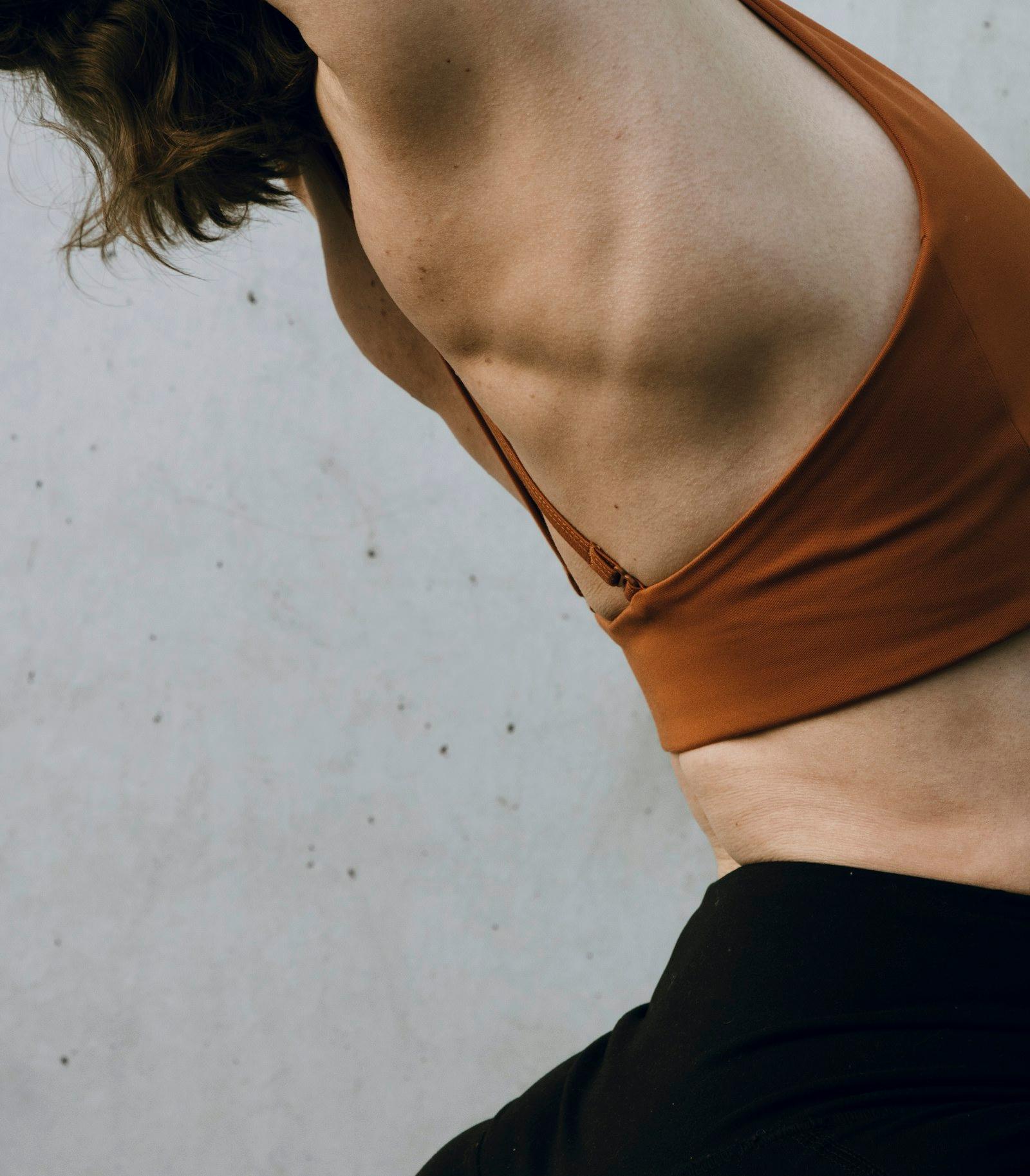
Everything moves from the middle.
The powerhouse, as it was originally called: the deep abdominals, the back, the pelvic floor, the glutes. Limbs are expressions of the centre, never the other way around.
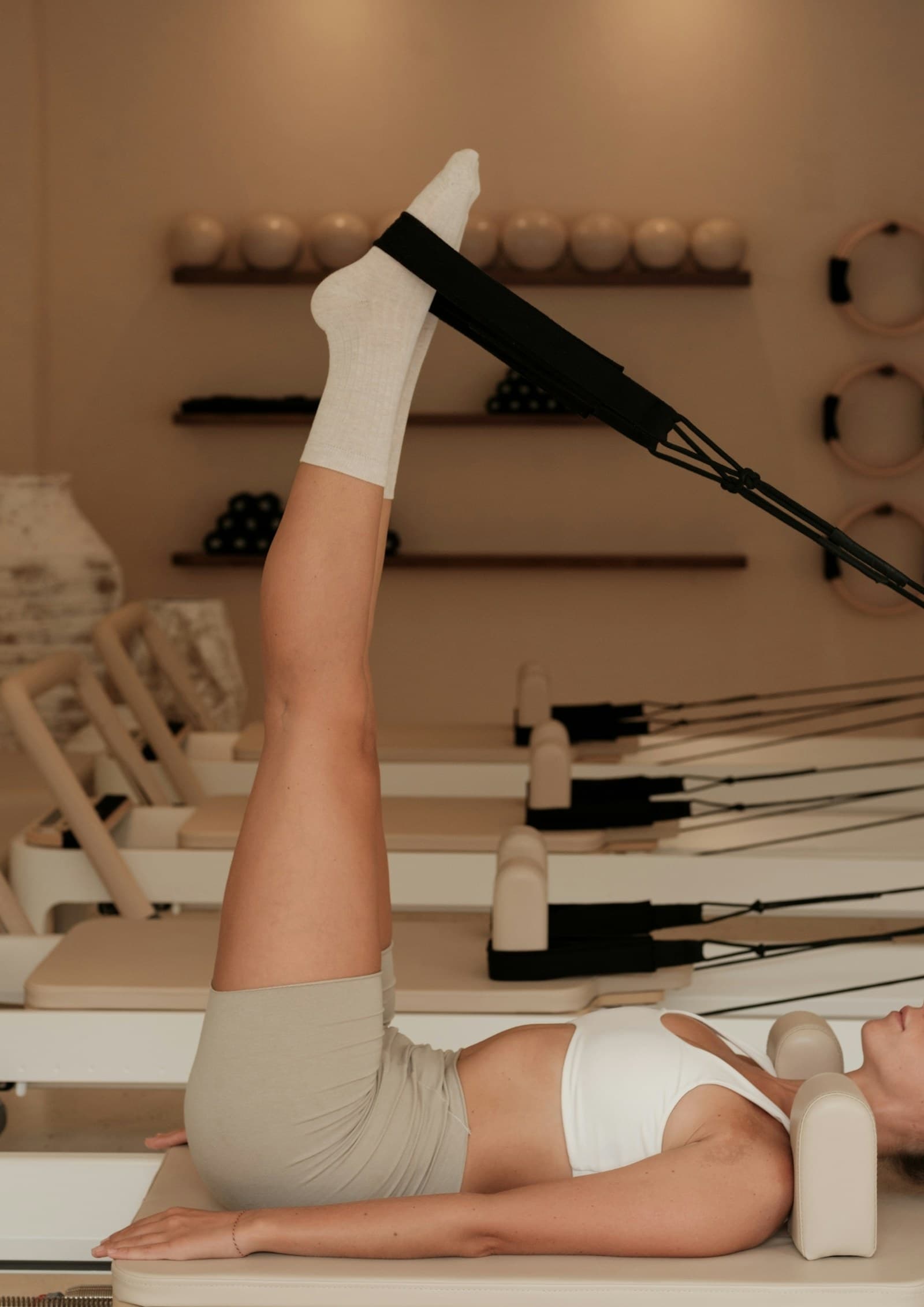
The spring is not in charge.
Momentum is the enemy of the method. A movement is only complete when it can be stopped at any point and held. We use lighter springs than you expect and we move more slowly.
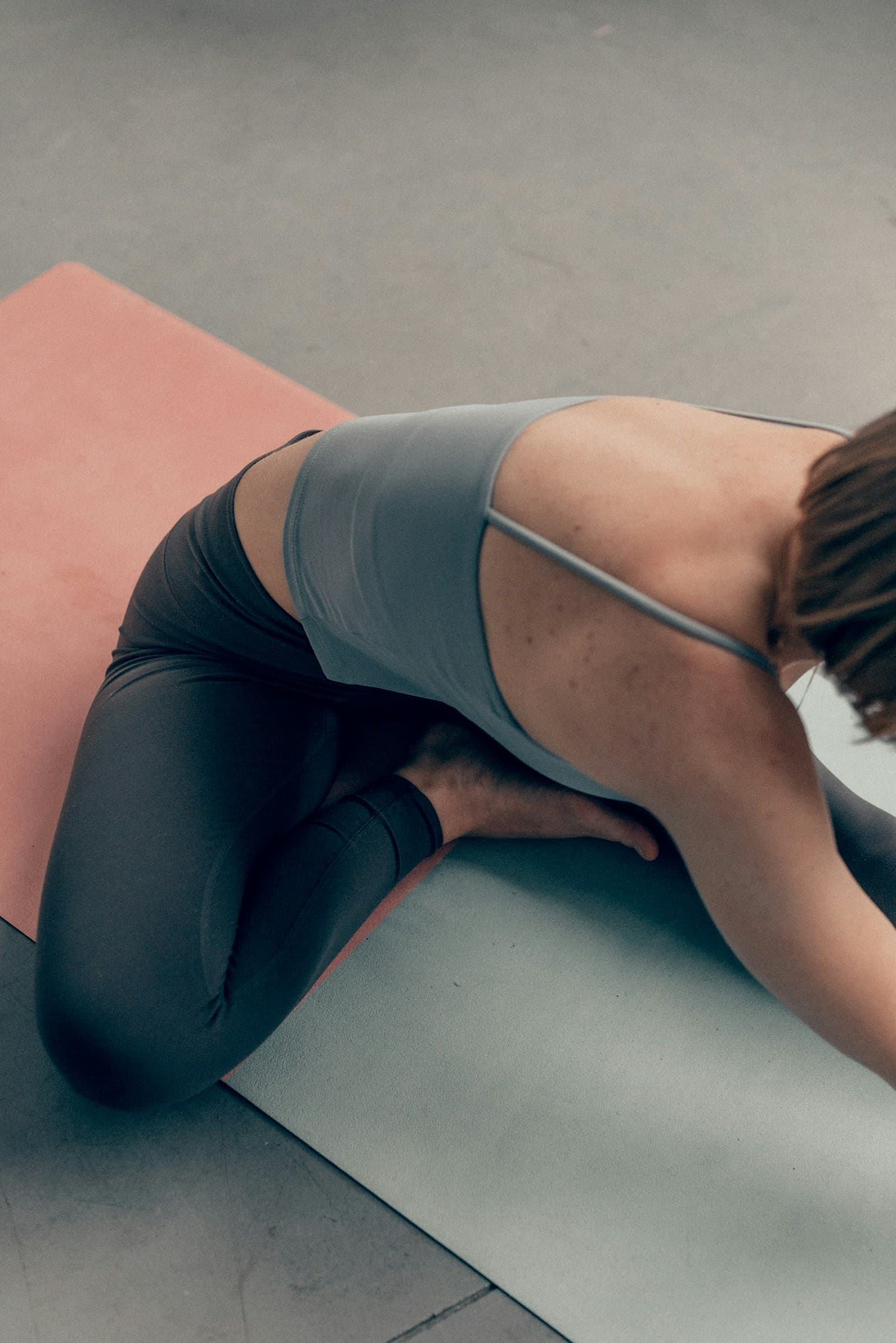
The right place, the right order.
Each exercise has a shape and a sequence, refined over a century. We teach the shape until it is yours, then the sequence until it is no longer a sequence.
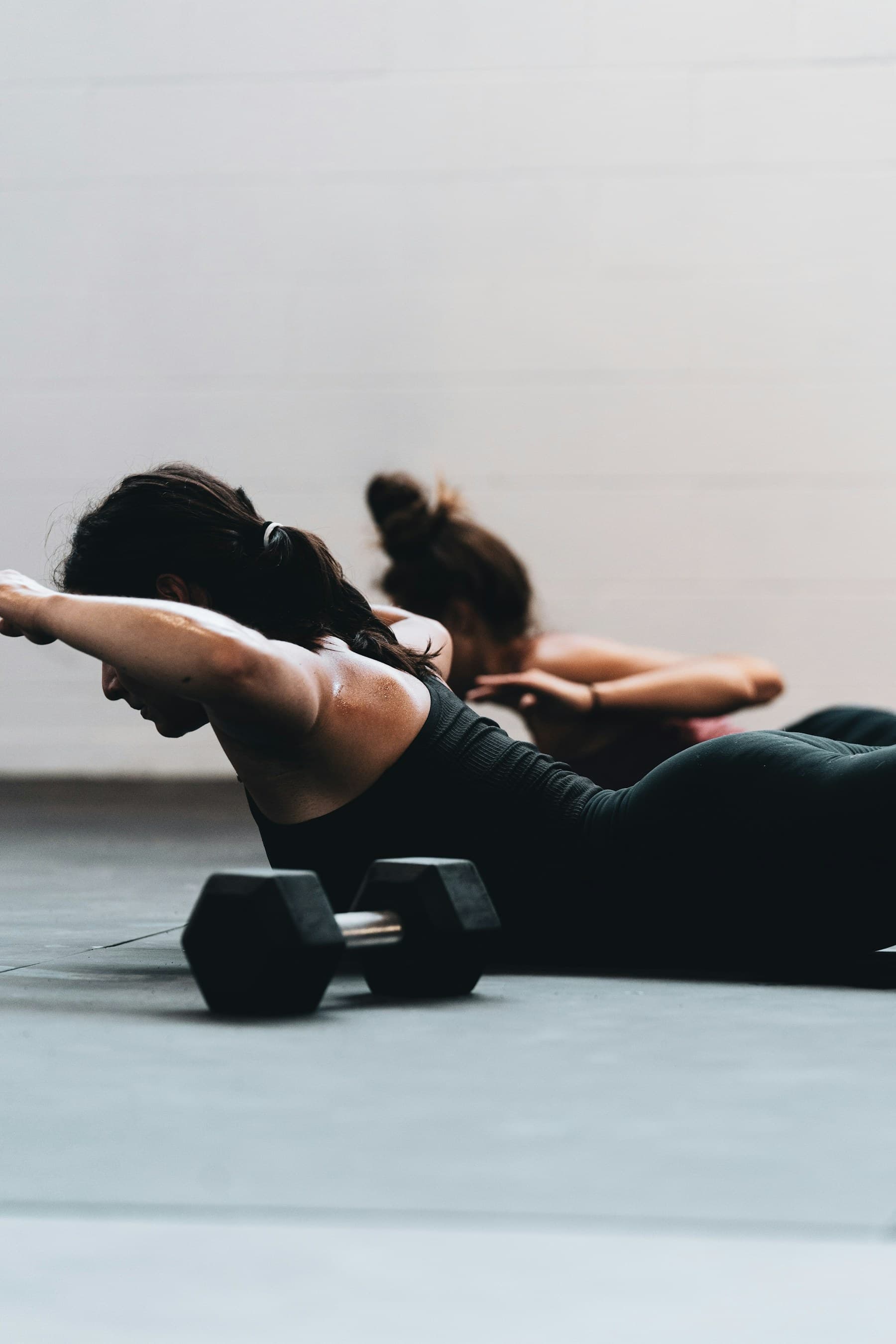
Then, the whole thing at once.
When the first five are present, the session becomes one long movement. This is the point of the work. It takes most members about a year to feel it, and then they never lose it.
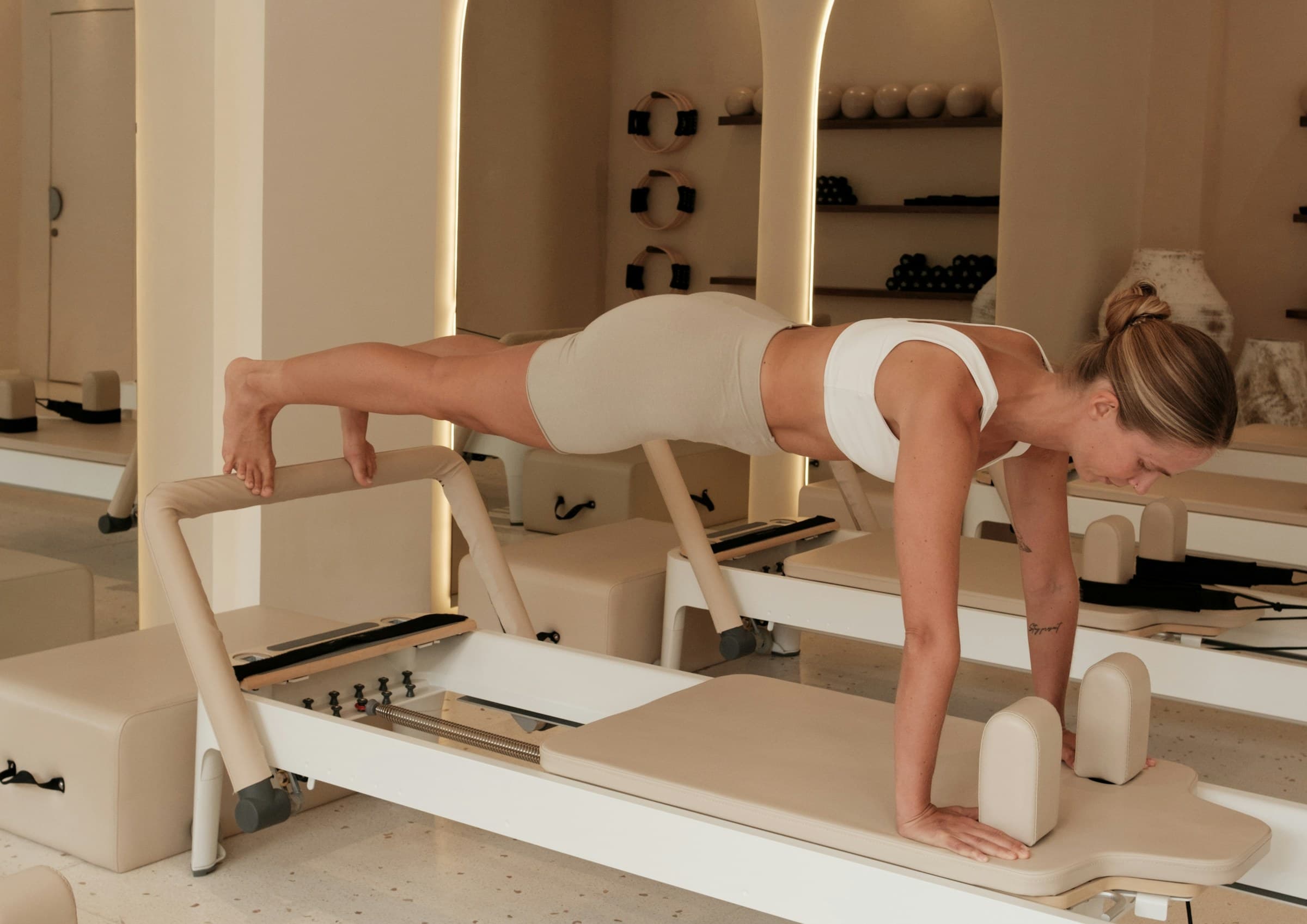
Every piece in the house is built to the original proportions, in maple and steel, with springs calibrated by hand. The spring is the teacher; we only interpret it.
The spring · turn it
Footwork · Yorkville
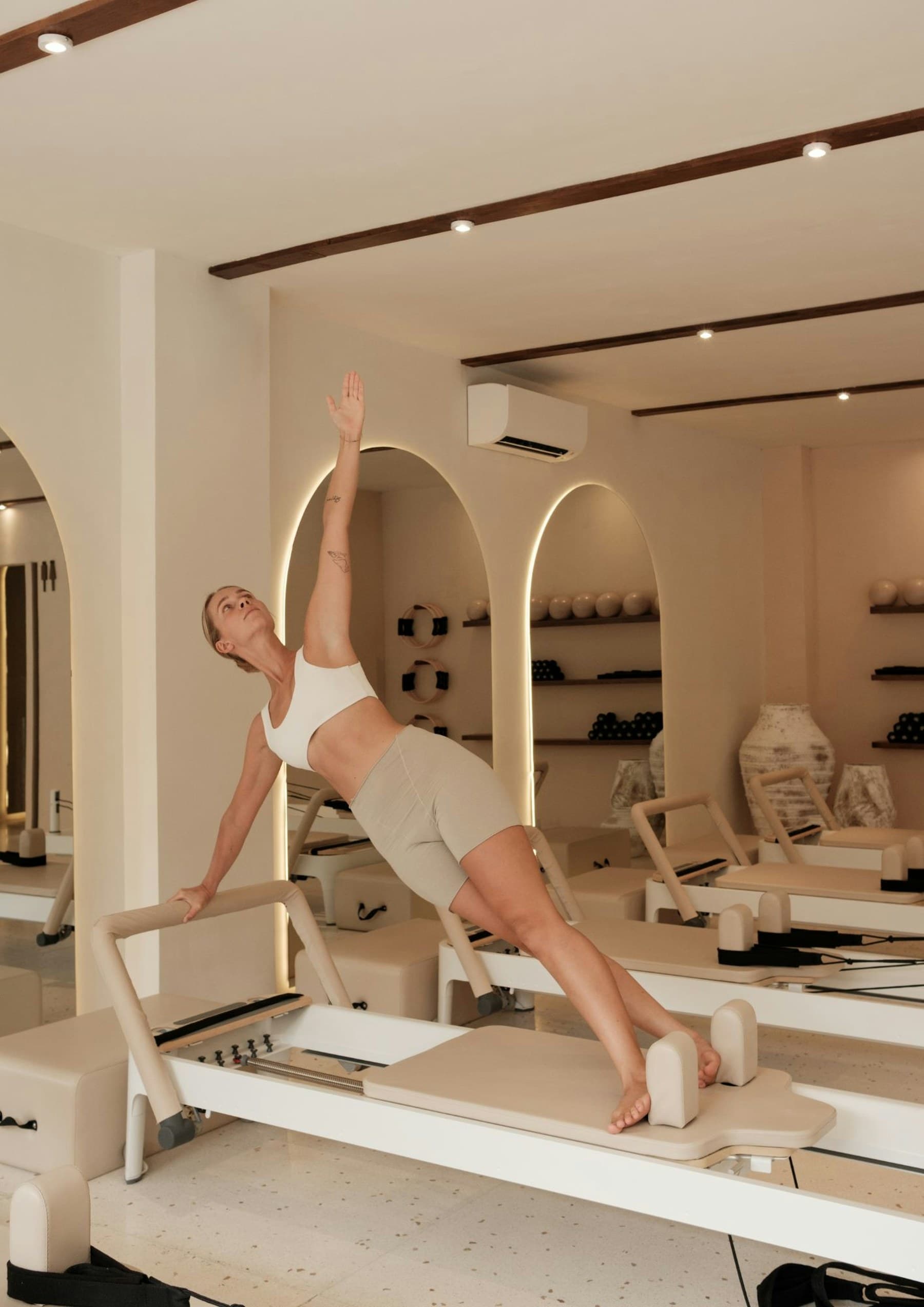
The Foundation
Every member, whatever their history, begins with five private sessions. The first is an assessment: how you stand, how you breathe, what your spine does when you are not watching it. The next four teach the vocabulary of the apparatus and the breath that runs through all of it.
At the end of the Foundation your teacher places you: in a group room, in privates, or somewhere in between. Nobody joins a Circle session without it. That is why the rooms are quiet and why six people can move at the same pace.
Begin with the Foundation
Write to the concierge, choose a house, and a senior teacher will hold five private hours for you. Nothing to buy first.